

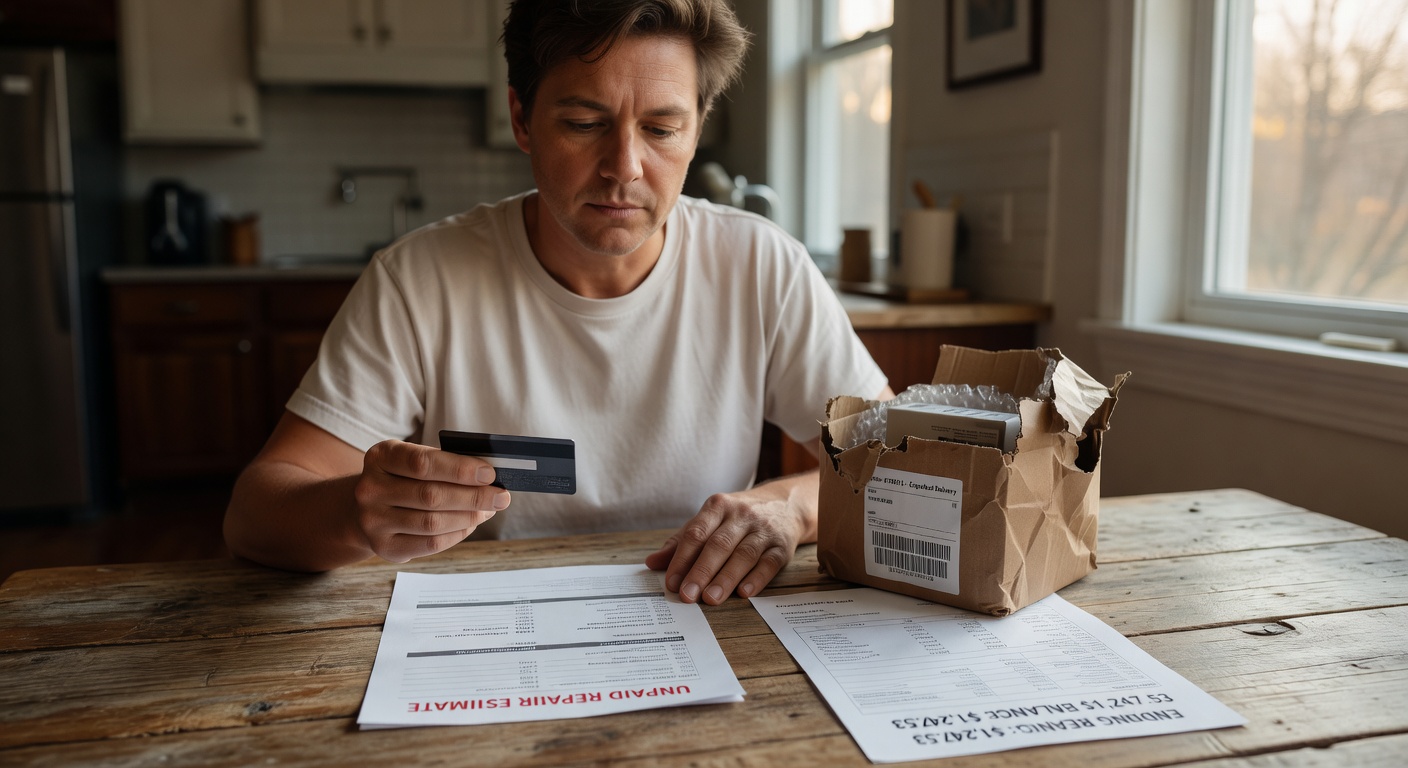
The repair estimate lands the same week the groceries run high and the card payment is due, and suddenly a quick purchase starts to look like the only quiet thing in the day. Spending to relieve pressure can feel small in the moment, but the receipt does not stay small for long.
Why This Happens
Spending to relieve pressure is rarely about wanting more things in a simple, greedy way. It is usually about wanting a feeling to change right away, even if only for a few minutes. A stressful day, an urgent bill, or a mid-month balance check can make spending feel like the fastest way to get some control back. That is why spending to relieve pressure can show up during ordinary routines, not just during obvious financial trouble.
The behavior makes sense because money decisions are not made in a vacuum. Financial stress can push the brain toward short-term relief, especially when the day already feels full of demands. Research from Ramsey Solutions notes that when people constantly spend money to relieve stress, they can end up with even more stress, which is the part that feels invisible at first. The purchase looks like relief, but the monthly budget carries the aftershock.
There is also a quiet emotional logic to it. If a person has been dealing with urgent expenses, a grocery bill that jumped again, or a credit card balance that will not settle down, buying something ordinary can feel like a way to restore normal life. The item itself may not matter as much as the pause it creates. Recognition usually arrives later, when the bank balance is lower than expected and the feeling of relief has already moved on.
Pressure spending can also grow out of mental fatigue. When the brain is tired, it prefers the decision that ends discomfort now, not the one that protects savings later. That is why a delivery app order, a convenience purchase, or a little retail therapy can happen in a moment that does not look dramatic from the outside. The problem is not a lack of intelligence; it is that the moment asks for comfort, while the budget asks for restraint.
Mind and HelpGuide both point toward the same basic pattern: money behavior is easier to understand when the feeling behind it becomes visible. People often start to notice that a stressful day, a bill reminder, or an awkward gap between paychecks sets off a familiar urge to spend. That is usually where it starts. The transaction feels like it belongs to the moment, but the consequences belong to the whole month.
Common Mistakes People Make
The first pattern is treating the purchase as if it is separate from the rest of the budget. A person may see a small order, a few clothes, or a convenience purchase as too minor to matter, especially when the monthly budget already has fixed bills attached to it. The tension is that one purchase rarely feels dangerous on its own, while several of them can quietly reshape savings goals. It does not feel like a mistake at the time.
What follows is often a chain reaction of small justifications. A late delivery fee, a subscription renewal, or a quick stop at a store can get mentally filed under necessity instead of choice. Once that happens, the spending starts blending into ordinary life, which makes it harder to notice how much has already moved out of the bank balance. The budget does not usually collapse in one dramatic moment; it drifts.
The second pattern is using spending as a way to recover from emotional discomfort without naming the discomfort. Someone may feel irritated after a bill payment, uneasy after checking the savings account, or restless when thinking about debt payments. Instead of sitting with that feeling, the mind looks for a faster fix, and a cart fills before the decision is fully conscious. This is the part that tends to go unnoticed.
The real cost is not only the purchase itself but the loss of clarity that comes with it. When pressure spending becomes the quickest response, it can make every stressful moment look like a spending moment. That can blur the difference between a true need and a temporary urge, which is why the same person may keep reaching for the same relief in different forms. The issue is not just cash leaving; it is decision-making narrowing.
The third pattern is assuming that guilt will be enough to stop the cycle next time. After the spending spree, many people try to repair the feeling by promising tighter control, but the budget still has the same triggers waiting inside it. A car repair, a school fee, or a month with higher groceries can bring the whole sequence back. There is a subtle tension here: the intention is to reset, but the old cue is still in place.
That is why the cycle often returns before the lesson has time to settle. People may know the spending was unhelpful, yet the next urgent expense makes the same behavior feel reasonable again. The emotional memory of relief can be stronger than the financial memory of regret, especially when the day is already crowded. The budget becomes a record of reactions, not just numbers.
Real-Life Patterns and Behaviors
The most familiar version of this behavior often begins at the grocery store. The plan is simple enough: pick up what is needed, stay within the weekly amount, and get home. Then the cart starts collecting one extra item after another, not because the person forgot the budget, but because the day has already felt heavy and the extras feel deserved. Spending to relieve pressure fits neatly into that kind of moment.
Payday can create a different version of the same pattern. The account finally looks less tight, the bills are not all due at once, and the mind briefly relaxes before the next obligation appears. That gap can invite a quick meal out, a better coat, or something ordered online that feels harmless in the moment. The spending does not announce itself as emotional, but the timing says enough.
Late-night scrolling is another place where the pattern shows up clearly. A person may be tired, worried about a repair estimate, and still awake long after the day should have ended. Shopping apps make it easy to turn that uneasy energy into a purchase before the thought has a chance to slow down. Recognition usually comes later, when the package arrives and the purchase no longer matches the feeling that inspired it.
Bill payment days can also leave a residue that turns into spending. The number on the screen can make the whole month feel narrower, and that sensation can trigger a quick effort to feel better in some other area. A delivery order, a new household item, or a small credit card swipe can feel like balance in the moment. The tension is that the person is trying to restore emotional space by shrinking financial space.
Unexpected expenses tend to make the pattern more visible because they leave so little room for denial. A dentist visit, a car issue, or a school-related cost can force the household to move money around, and that movement can create a sense of scarcity even if the income itself has not changed. In that atmosphere, spending to relieve pressure can look like a reward for getting through the week. The spreadsheet may still look manageable, but the behavior around it has already shifted.
There is also a quieter pattern around routine convenience spending. A takeout meal after a long workday, a few impulse items at the checkout lane, or a subscription renewed without a second thought may not feel connected to stress. But many of these purchases happen when the person is too tired to question them. That is why this habit can blend into ordinary money behavior so easily, even in a household that otherwise appears organized.
What Actually Helps
What helps most is making the moment of pressure easier to recognize before the purchase happens. That is not the same as refusing all comfort or forcing perfect discipline. It means noticing the difference between a true need and a desire to make the day feel lighter for a few minutes. When the feeling becomes visible, the spending decision becomes less automatic.
A small buffer in the monthly budget can also reduce the urge to use spending as relief. This is not about creating a perfect plan; it is about leaving room for ordinary life so every surprise does not feel like a threat. When the budget has a category for convenience, occasional takeout, or unplanned household costs, the mind is less likely to treat each event as an emergency. That little bit of structure can make the bank balance feel less fragile.
An emergency fund can change the emotional temperature of unexpected expenses. SoFi notes that building an emergency fund of 3 to 6 months of expenses can help restore control and reduce money-related anxiety, and that makes sense because the point is not just coverage, but calm. When a savings account exists for the hard things, a repair bill does not have to trigger the same panic. The purchase impulse often weakens when the situation no longer feels like a cliff edge.
It also helps to separate the urge from the action by creating a brief pause around spending decisions. The point is not to add more rules for the sake of rules, but to give the mind time to move out of the emotional surge. A person can check the budget tracker, look at the credit card balance, or simply wait long enough for the feeling to lose its edge. Often the purchase still looks appealing, but less urgent.
Another useful shift is to treat the trigger itself as the subject, not the spending alone. If the same pattern shows up after bill payment, after an argument, or after checking a low bank balance, then the event is doing more work than it first appears. Once that is noticed, the response can become more specific and less reactive. The behavior stops looking random and starts looking patterned, which is usually the first practical change.
The goal is not to create a life with no pressure, because ordinary life rarely works that way. The goal is to make pressure spending less automatic and less central to how the month gets through itself. A budget that expects real life tends to fail less loudly than one that only works on calm days. The account looked fine. That was always the detail that mattered.
Related Reading
- Unexpected Bills After a Shopping Spree Leave Savings Thin
- Saving Money After a Shopping Splurge Feels Unsettled
- Saving for Rent and Still Clicking That Sale Tag
Keep Exploring the Pattern
Watch more breakdowns of real-life money behavior on our YouTube channel.
If you want a clearer view of where your income goes each month, try the Salary Breakdown Calculator.
Disclaimer:
This content is for educational and informational purposes only and does not constitute financial advice. Always consult a qualified financial professional before making personal financial decisions.