

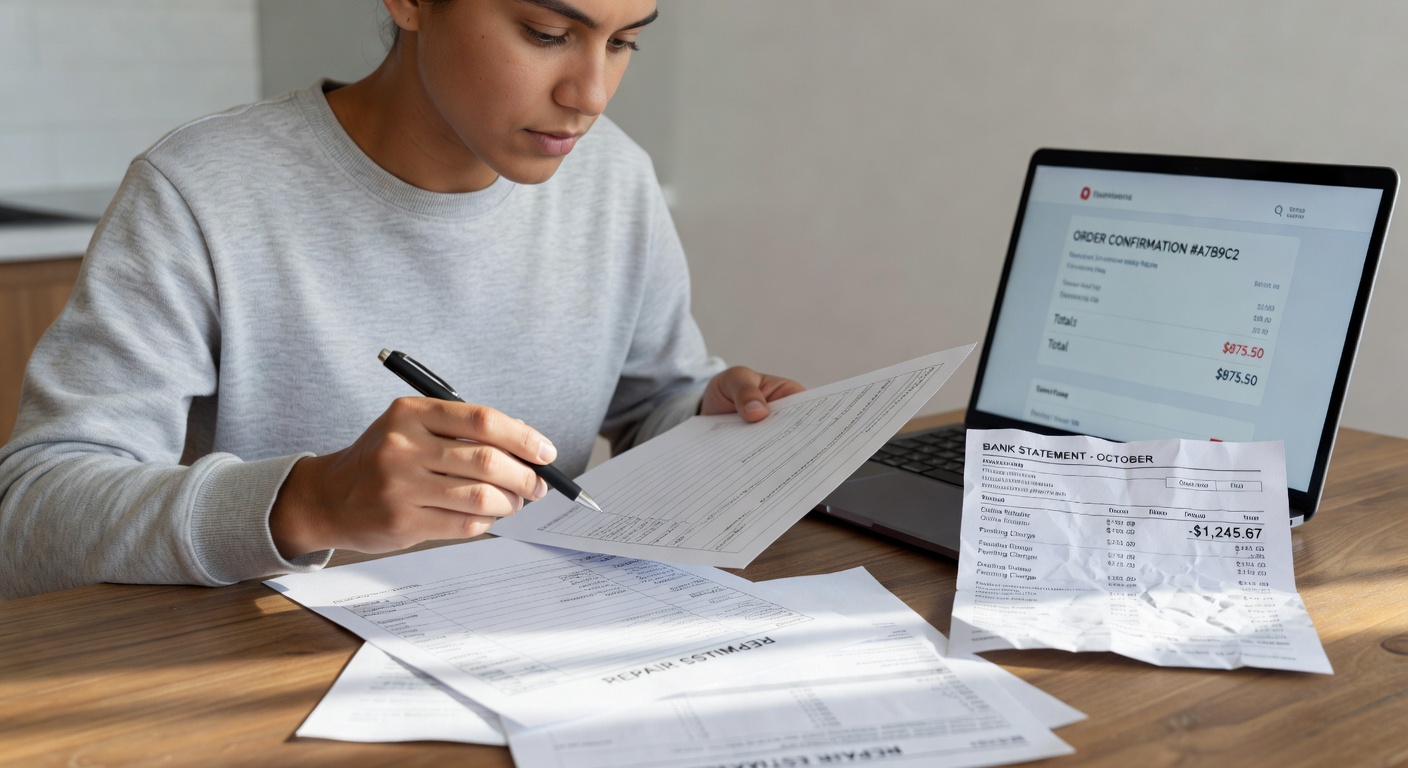
The package arrives, the card clears, and then a repair estimate or utility bill lands in the same week. The monthly budget still has to work, but the bank balance now has to answer two stories at once.
Why This Happens
Saving money after an impulsive shopping spree is difficult because the money has already been given a job before the unexpected expense arrives. The purchase may have felt small in the moment, but it quietly reduced the amount left for the next bill, the next transfer to a savings account, or the next credit card payment. That tension between present comfort and future obligations is what makes saving while facing unexpected expenses such an uphill battle. The account balance does not care that the spending felt harmless at the time.
A shopping spree often happens in a different emotional state than the one that shows up when bills are due. Late-night scrolling, delivery app temptation, and one-click checkout all compress the decision into a few seconds, while the repair bill or medical bill arrives with a much slower kind of seriousness. The brain tends to treat immediate relief as more concrete than a future need, so the purchase feels easier to justify than the transfer to savings. That is usually where it starts.
The problem is not only the size of the spending, but the timing of it. Many households are already dealing with monthly budget limits, debt payments, and a bank balance that feels more fragile than it looks from the outside. Research from the Federal Reserve shows that relatively small unexpected expenses can be a hardship for many families, and 63 percent of adults in 2023 said they would have covered a hypothetical $400 expense with cash, savings, or a credit card paid off at the next statement. That still leaves a large share of adults who would need to borrow, sell something, or simply could not cover it.
Income volatility can make the situation feel even tighter. New America notes that income flows have become more volatile and that unexpected income loss has become more common over time, which helps explain why a single unplanned purchase can throw off several next steps at once. When earnings are already uneven, even modest spending decisions can reduce flexibility in a way that is not obvious until the bill window opens. The budget looks ordinary right up until it stops being ordinary.
There is also a psychological contradiction built into the moment. The online purchase offers immediate reward, while saving asks for restraint with no visible payoff right away. When an unexpected expense appears after that purchase, the mind often swings from pleasure to self-judgment, which can make the savings decision feel heavier than it is. The sequence is familiar to many people: spend first, then feel the gap later.
Common Mistakes People Make
The first pattern is trying to repair the month with one big transfer as soon as the unexpected expense appears. That sounds responsible, but it can become a reflex that ignores the smaller details already happening in the checking account, the credit card, or the next automatic bill payment. If the money is moved too aggressively, the person may still need to reverse it later just to keep essentials covered. The intention is sound; the timing is what tends to slip.
A second pattern is treating the shopping spree and the emergency as if they belong to different parts of the budget. The purchase gets mentally filed as discretionary spending, while the bill feels like an interruption from another category of life entirely. In practice, both draw from the same pool, so the separation is more emotional than financial. This is the part that tends to go unnoticed.
A third pattern is waiting for the balance to recover before making any savings move at all. That can feel sensible because it avoids creating more tension in the moment, but it often turns savings into a future intention that never quite gets its turn. The unexpected expense stays visible, the spending still lingers in memory, and the transfer to savings account keeps getting pushed one paycheck later. The month keeps moving even when the plan is standing still.
The reason these patterns repeat is that people tend to want clean financial categories in a week that no longer has them. The repair bill wants attention, the subscription renewal still drafts, and the credit card statement keeps its own schedule. A person may believe they are being careful by holding off, yet the delay can make the next decision feel larger than the first one. That is how one purchase starts shaping several future choices.
There is also a quiet avoidance around looking directly at the numbers after spending has already happened. A mid-month balance check can feel more revealing than people want, especially if the cart total, the utility bill, and the grocery trip all land in the same short window. So the account gets checked less often, which makes the situation feel less controllable, not more. The problem is not a lack of awareness; it is the discomfort of seeing the sequence clearly.
What often follows is a kind of financial bargaining. The mind starts asking whether the emergency can wait, whether the refund will arrive soon, or whether next month will be easier. Those possibilities may be true, but they can also become a way to postpone a real adjustment in spending habits. The contradiction is plain: the budget needs stability, but the behavior keeps asking for postponement.
Real-Life Patterns and Behaviors
The grocery trip is a good example because it is rarely just groceries. A person goes in for essentials, notices a few convenient extras, and leaves with a receipt that is larger than expected. Later that same week, a car repair estimate arrives, and the money that was supposed to soften the month is already spoken for. Saving money feels abstract in that moment because the checkout line already had the first claim on it.
Payday moments create a similar pattern. The account briefly looks healthier, which can make a spontaneous online order feel easy to absorb, especially if there is a sense that bills are still a few days away. Then the subscription renewals, insurance draft, and utility payment arrive in sequence, and the leftover amount is smaller than the mood from payday suggested. The impression of room and the reality of room are often two different things.
Late-night scrolling adds another layer because it separates the purchase from the rest of the budget context. A delivery app order or home gadget purchase may feel tiny when compared with a full week of work, but the next morning the bank balance tells a different story. If an unexpected expense arrives after that, the person is not only dealing with the bill but also with the memory of how casually the spending happened. It does not feel like a mistake at the time.
Mid-month is where the tension often becomes visible. The checking account has not yet been refreshed by the next paycheck, the savings account may have already been tapped once, and a medical bill or school expense arrives with no interest in the timing. People often respond by trying to mentally separate each item into its own category, even though the math does not separate them. The budget is being asked to stay calm while the calendar keeps adding obligations.
There is also a pattern around convenience purchases that seems small until it is not. A takeout order replaces cooking, a same-day shipping choice replaces waiting, and a quick subscription renewal is accepted because canceling feels like another task. These choices do not usually feel dramatic, which is why they can stack quietly alongside a future bill. The contradiction is simple: the spending feels light, but the month carries every item at once.
One reason these behaviors feel hard to change is that they often serve a practical need in the moment. Convenience saves time, shopping softens a rough day, and a purchase can create a small sense of control when other parts of life feel uncertain. The unexpected expense then arrives and exposes the tradeoff that was hidden inside that comfort. Saving while facing unexpected expenses becomes difficult not because the person does not care, but because the short-term relief was already bought.
What Actually Helps
The most useful response is usually not to chase perfect control, but to slow the sequence enough to see what needs protecting first. That means treating the checking account, savings account, and next bill as one connected system instead of separate containers with separate emotional meanings. When the month is already tight, protecting the next automatic payment may matter more than proving discipline with a dramatic transfer. A calmer approach often preserves more flexibility than a forceful one.
It also helps to separate the feeling of guilt from the money movement itself. A person may want to punish the earlier shopping spree by cutting savings completely, but that usually turns a temporary setback into a longer pause. Even a small transfer can keep savings behavior alive while the rest of the budget absorbs the unexpected expense. The point is not to make the month impressive; it is to keep the pattern from disappearing.
Creating a short delay before new spending can help because the original impulse often fades once the bill is visible. A cart that looked harmless at night may feel different after a repair estimate or insurance notice has entered the picture. That pause does not erase the need for spending, but it gives the bank balance a chance to be considered before another charge lands. The urgency changes when the sequence becomes visible.
It also makes sense to give unexpected expenses a place in the monthly budget, even if that place is modest. A category for car repairs, medical costs, or household replacements can reduce the shock when something breaks at the wrong time. This is not a full solution, but it prevents every surprise from competing with rent, groceries, and debt payments as if they were all equally optional. The budget feels less fragile when every expense does not arrive as an interruption.
People often benefit from checking their balance at predictable times rather than only when anxiety spikes. A mid-month review can reveal whether the spending spree has already altered the month enough to change the next decision. That kind of visibility is less dramatic than a last-minute scramble, and it tends to make the next transfer or payment more deliberate. Quiet numbers are usually easier to work with than emotional ones.
A final adjustment is to make the next paycheck do less work by default. If part of it is set aside for savings, bills, or a cushion before discretionary spending starts, the pressure from one shopping episode has less room to spread through the month. That structure matters because temptation usually arrives before reflection does. The balance remembers the sequence, even when the person making the purchases does not.
Related Reading
- Saving for Rent and Still Clicking That Sale Tag
- Family Getaway Costs More When the Itinerary Shifts
- Why Mental Accounting Throws Off Bills on Payweek
Keep Exploring the Pattern
Watch more breakdowns of real-life money behavior on our YouTube channel.
If bill timing keeps creating pressure, try the Bill Due Date Planner to map out when your payments hit each month.
Disclaimer:
This content is for educational and informational purposes only and does not constitute financial advice. Always consult a qualified financial professional before making personal financial decisions.