

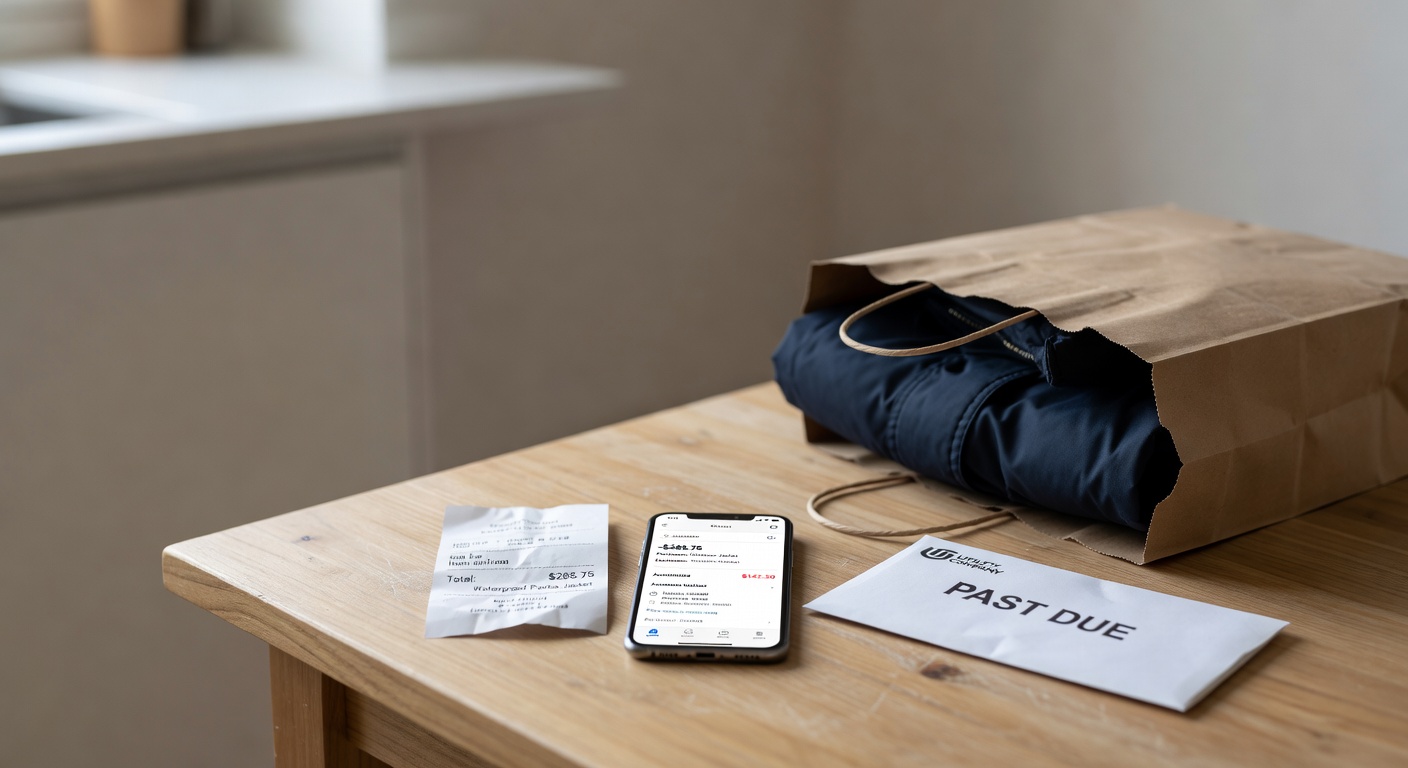
The receipt is still in the bag, the bank app is open, and the monthly budget already looks thinner than it did yesterday. After an unexpected shopping splurge, saving money is no longer a neat plan on paper; it sits beside bill payments, grocery trips, and the quiet question of what gets covered first.
Why This Happens
An unexpected spending burst changes the feeling of the month before it changes the actual numbers. The card gets used, the cart gets checked out, and then the bank balance has to compete with rent, utilities, debt payments, and the ordinary costs that keep showing up. That is where saving money after shopping splurge becomes less about intention and more about timing. The money did not disappear all at once; it was reassigned in the middle of other obligations.
Impulse buying means making unplanned purchases, and that simple shift can throw off a budget without looking dramatic at first. The purchase may have felt small enough to justify in the moment, especially if it was tied to convenience, stress, or a rare treat. The real tension appears later, when the savings account no longer gets the same attention as the credit card bill or the grocery run. It does not feel like a mistake at the time.
A splurge also tends to create a mental split between what was already planned and what now has to be handled. One part of the mind still sees the original monthly budget, while another part starts rearranging everything around the extra spending. That can make even ordinary decisions feel heavier, because every transfer or withdrawal now seems to carry consequences. The account still has to cover the month that is left.
Behavioral research on spending often points to emotions, reward, and impulse control rather than simple recklessness. Stress, boredom, happiness, and the desire for quick relief can make a purchase feel more satisfying than waiting for a better time. Shopping can also give a small sense of control when other parts of life feel routine or crowded. That is usually where it starts.
The larger issue is not only the purchase itself but the recovery phase that follows it. After an impulse purchase, people often try to protect savings and meet immediate financial responsibilities at the same time, which creates quiet friction everywhere else. The bank app gets checked more often, the spreadsheet gets adjusted, and the next paycheck starts carrying more meaning than it should. This is the part that tends to go unnoticed.
Common Mistakes People Make
The first pattern is treating the splurge as if it belongs to a different month. The charge happened once, so the mind wants to file it away as already dealt with, even though the statement has not arrived and the savings account has not recovered. That creates a gap between what feels finished and what is still active in the monthly budget. The spending is over, but the accounting is not.
What usually follows is a quiet form of underreaction. The person knows the purchase was unplanned, yet keeps the rest of the month unchanged and hopes the balance will stretch on its own. This is familiar after a payday moment, when the account briefly looks comfortable and the urge is to leave everything else alone. The short-term calm hides the longer stretch of bills still waiting.
A second pattern is trying to fix the hit by tightening every category at once. Grocery trips get trimmed hard, subscriptions are cancelled in a rush, and small convenience purchases suddenly feel forbidden. That may sound disciplined, but it often creates rebound spending when life gets inconvenient again. The pressure shifts from the original splurge to the day-to-day choices that should have been simple.
This kind of overcorrection usually comes from wanting the numbers to look better immediately. The bank balance becomes the focus, while the actual flow of the month is ignored. A person may be trying to restore savings money quickly, yet end up making ordinary life harder than it needs to be. Then the next unplanned expense lands, and the repair gets interrupted.
The third pattern is hiding the purchase in the mind because it feels easier than naming its effect. The receipt sits untouched, the app notifications get ignored, and the person keeps going as though the gap will stay small enough to manage later. That can be especially common with delivery app spending, clothing orders, or convenience buys that do not leave much physical trace. The issue is not denial in a dramatic sense; it is postponement.
Postponement gives a small sense of relief, but it also blurs the link between the purchase and the next bill cycle. Once the connection is blurry, the savings account starts looking like a backup for anything uncomfortable instead of a planned reserve. The next grocery trip or subscription renewal then lands on a balance that has already been asked to do too much. The month keeps asking before the account has caught up.
Real-Life Patterns and Behaviors
A grocery run after a shopping splurge often feels different from a grocery run before it. The list is still there, but the mood changes when the cart total rises faster than expected and the bank app has already been opened twice that day. People may remove one item, then another, not because those items are truly unnecessary but because the account now carries the memory of the earlier purchase. Saving money after shopping splurge shows up here as hesitation, not heroics.
Bill payments can create the sharpest tension because they do not respond to feelings. Rent, electricity, internet, insurance, and minimum credit card payments arrive whether the month felt generous or not. A splurge can make these routine transfers feel oddly personal, as if each one is competing with the purchase that already happened. That is where the account starts to feel smaller than it did on payday.
Late-night scrolling is another place the pattern shows itself. A person may not be shopping actively, but saved carts, recommended items, and timed offers keep the spending channel open in the background. The earlier impulse purchase can make the next one feel easier, almost justified as part of getting back to normal. That does not feel like a mistake in the moment.
The mid-month balance check often reveals the real shape of the behavior. What looked manageable on the first of the month now has to survive two more weeks of food, transport, and routine expenses. The tension is not only that money was spent, but that the savings account was supposed to be left untouched and now must compete with everything else. This is the part that gets recognized only after the numbers settle.
There is also a subtle pattern around convenience spending. A coffee, a delivery fee, a replacement item, or a quick online order can feel too small to matter after the larger splurge has already happened. Yet these smaller charges often become the background noise that keeps recovery from feeling clean. The monthly budget is rarely broken by one obvious event alone; it is often crowded by the extra choices that arrive afterward.
What Actually Helps
The most useful adjustment is not pretending the splurge never happened, but giving it a place in the month instead of letting it hover over everything. That means the bank balance, savings account, and bills are seen together rather than separately, so the next choice is made with the full picture in view. The point is not punishment; it is reducing the confusion that comes from treating one purchase like it belongs outside the budget. The numbers do not reset just because the feeling changes.
It also helps to slow the way the rest of the month gets rebuilt. A person who tries to recover everything at once often creates a new kind of instability, especially if grocery spending, transport, and small convenience purchases are cut too hard. A steadier approach makes room for the real rhythm of the month, including the expenses that cannot be delayed. That preserves more consistency than a sudden clampdown.
Some people do better when they separate short-term recovery from long-term saving. The savings money does not have to become a moral test after a splurge; it simply needs a clear job again. When emergency funds, sinking funds, and spending money blur together, every decision feels like it has to solve everything at once. Clear categories make the account easier to read even when the month is messy.
Another helpful adjustment is reducing the number of decisions made while still reacting to the purchase. A person checking the budget at midnight after a delivery app order is unlikely to see the month clearly. Waiting until the next morning, or until the next scheduled money check, can create a little distance between emotion and action. That pause matters because impulse spending often leaves behind emotional noise that fades slower than the charge itself.
It can also help to name the next unavoidable expense before trying to rebuild savings. Rent, groceries, debt payments, and subscriptions are not abstract; they are the floor of the month. When those are visible, the recovery plan becomes less about proving discipline and more about protecting the essentials while the balance recovers. The account starts to look like a sequence again instead of a blur.
The final adjustment is accepting that one splurge often changes the tone of the month more than the arithmetic alone suggests. The real friction comes from living with an altered balance while ordinary life keeps moving, and that is why saving money after shopping splurge feels so specific and persistent. The statement arrives, the bills stay, and the next paycheck still has to meet the same calendar. The month keeps moving whether or not the spending does.
Related Reading
- Unexpected Bills After a Shopping Spree Leave Savings Thin
- Saving After the Cart Added Up and the Bills Stayed
- Saving for Rent and Still Clicking That Sale Tag
Keep Exploring the Pattern
Watch more breakdowns of real-life money behavior on our YouTube channel.
If you want a clearer view of your monthly patterns, try the Salary Breakdown Calculator, the Subscription Cost Calculator, or the Bill Due Date Planner.
Disclaimer:
This content is for educational and informational purposes only and does not constitute financial advice. Always consult a qualified financial professional before making personal financial decisions.