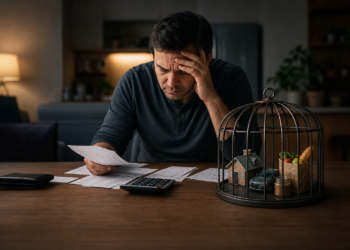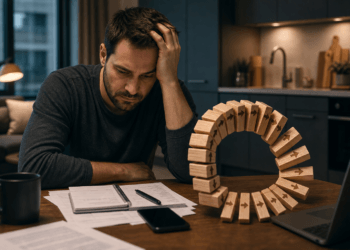

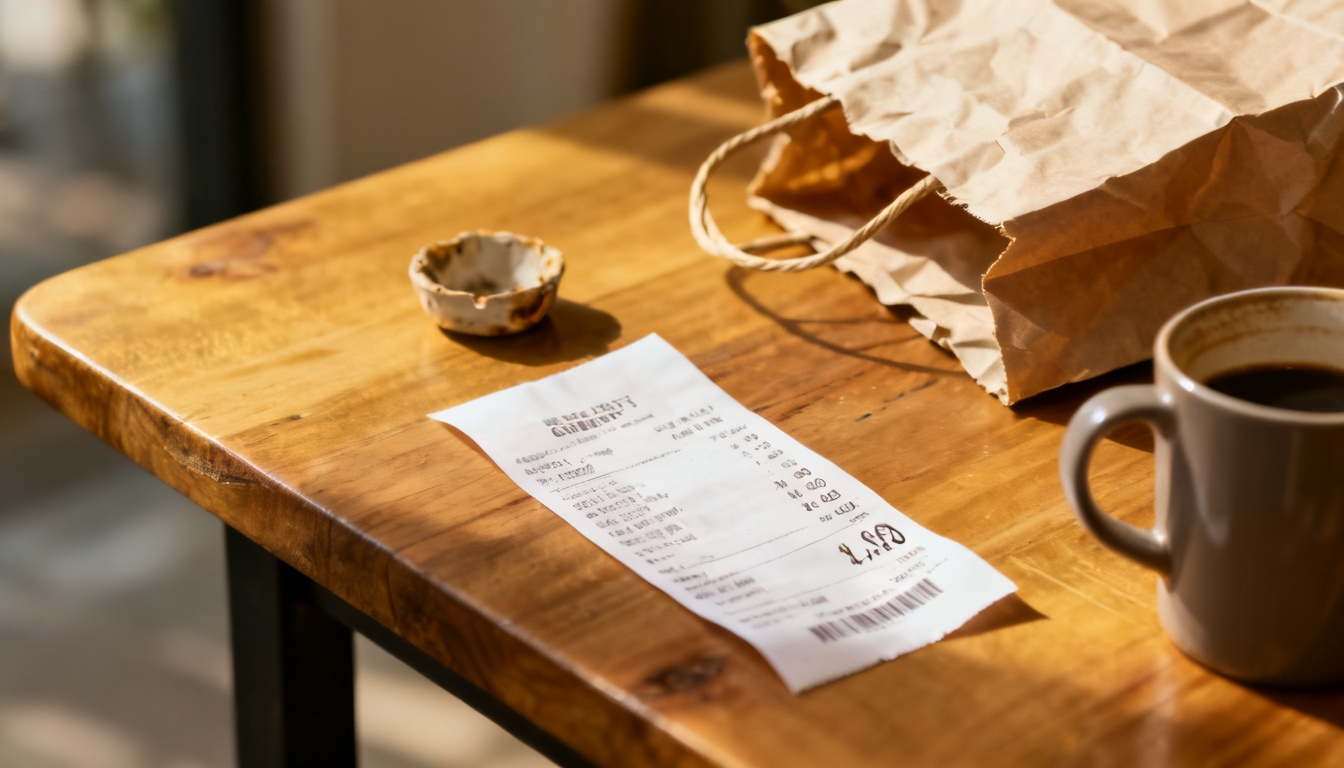
You get home, set the bag on the counter, and the excitement fades before you even put the receipt away. That strange drop in feeling is often the first sign that the purchase was doing emotional work, not practical work.
If you have ever thought, “Why do I regret purchases right after buying?”, you are not alone, and you are probably not careless. You are noticing a pattern that many people feel in daily life, especially when money decisions happen fast and emotions are already running high.
Why This Happens
Regret right after buying usually does not mean the item was objectively wrong. It often means the purchase solved a feeling for a moment, then had to stand on its own once the feeling passed. That is why the letdown can arrive so quickly. The mind likes relief now, but it also keeps score afterward.
For many people, the real trigger is not the product. It is the pressure around it. A stressful day, a hard conversation, a sense of deprivation, or a small burst of boredom can make spending feel like a reset button. The problem is that the emotional high is brief, while the reality of the expense lasts much longer.
This is especially common when buying happens in transit, during work breaks, late at night, or while scrolling. In those moments, the brain is less interested in value and more interested in interruption. You are not shopping for a thing as much as shopping for a shift in mood.
The regret comes in when the brain switches back on. You remember the budget, the other bills, the pile of things already in the closet, or the fact that you wanted something more meaningful than another impulse purchase. That contrast is what makes the regret feel so sharp. The purchase did not just cost money; it exposed the gap between what you wanted in the moment and what you actually needed.
This is why people often describe the feeling as immediate and almost physical. They can feel the mistake before they can explain it. That does not make them weak with money. It usually means they are becoming more aware of how quickly a small emotional decision can turn into a larger financial pattern.
The Hidden Pattern Behind It
Under the regret is usually a predictable loop. Something unpleasant happens, spending offers relief, the relief wears off, and then self-judgment arrives. Once you see that loop, the purchase stops looking random. This is usually where people realize their money is not random, it is patterned.
The hidden pattern often has four parts:
– a trigger, like stress, loneliness, fatigue, or frustration
– a quick purchase that promises comfort, control, or excitement
– a short emotional lift that feels like evidence it was worth it
– a later drop into regret, guilt, or confusion
The important detail is that the brain remembers the lift more vividly than the cost in the moment. That is why the purchase can feel justified when you click buy, then feel strange the minute the package is on the way. The distance between action and consequence gives the decision enough room to look smarter than it really was.
There is also a second layer here: identity. Many adults are not just buying items. They are buying reassurance. A new jacket can mean I still have taste. A gadget can mean I am keeping up. A home item can mean I am finally getting organized. When the emotional meaning is bigger than the item itself, regret can hit harder because the object never had a chance to carry all that weight.
That is why simple advice like “just think before you buy” usually falls flat. Thinking is not the only issue. The issue is that a purchase often arrives at the exact moment a person wants relief, and relief can look a lot like necessity when you are tired, overstimulated, or feeling behind.
Common Mistakes People Make
One of the biggest mistakes is treating regret as proof that the purchase was pointless. Sometimes it was unnecessary, yes. But sometimes it simply reveals that the person bought at the wrong emotional moment. Those are not the same thing. When people confuse the two, they start attacking their character instead of studying the pattern.
Another common mistake is waiting for regret to become a motivation tool. People promise themselves they will “never do that again” and then repeat the same behavior a week later under slightly different conditions. The old trigger returns, the old feeling returns, and the purchase happens again because the environment never changed.
A third mistake is focusing only on the item and not on the sequence around it. The item may look silly in hindsight, but the real story often begins hours earlier. Hunger, tiredness, decision fatigue, comparison, and emotional overload all make spending more vulnerable. If you only judge the final purchase, you miss the lead-up.
Many people also confuse a good deal with a good decision. A discount can make a purchase feel responsible, even when the item was not needed. That is one of the oldest traps in consumer behavior. The brain hears savings and stops asking whether the money should have been spent at all.
And then there is the quiet mistake of hiding the regret. People keep the package, avoid looking at the statement, or tell themselves the item will “eventually” get used. The silence buys temporary comfort, but it also keeps the pattern intact. Unspoken regret tends to repeat itself more easily.
Real-Life Patterns and Behaviors
This regret shows up in ordinary routines more than in dramatic spending sprees. It may happen after a lunch purchase you did not plan, a cart full of online items at 11 p.m., or a home upgrade that looked practical until the charge cleared. The behavior is often less about extravagance and more about small, repeated emotional leaks.
People in this pattern tend to recognize the same moments:
– they buy when they feel tired, not clear
– they shop to break a mood, not to solve a need
– they feel relief first and judgment later
– they compare the item to the rest of their finances after the fact
A lot of adults in their 30s, 40s, and 50s are especially familiar with this because they are managing multiple pressures at once. There is work, family, aging parents, home responsibilities, and the pressure to look like everything is under control. Spending can become a private place where those pressures briefly soften.
That is why the regret can feel so personal. It is not just “I bought a thing.” It is “I fell for the same pattern again.” The purchase becomes evidence of a habit the person already suspects is there. That emotional sting is often stronger than the financial one.
Some people notice the pattern most with small purchases because they seem harmless enough to ignore. Others feel it with larger buys that were planned but emotionally rushed. In both cases, the pattern is similar: the purchase promises a cleaner version of the day, then the day keeps being the day.
This is also where financial psychology matters. A person can know their budget and still act against it if the purchase is serving an emotional need in the moment. Knowing that helps reduce shame. It also explains why better systems often work better than stronger willpower.
What Actually Helps
What helps most is not trying to become a different person overnight. It is learning to recognize the moments when spending is starting to do emotional labor. If a purchase is meant to calm you, distract you, reward you, or make you feel less behind, the real question is what happens when that feeling fades.
A simple pause can change the pattern. Not because it magically fixes impulse, but because it interrupts the emotional sprint. Even a short delay gives the brain time to move from relief-seeking back to decision-making. That is one reason tools like a spending tracker or budgeting app can help: they make the pattern visible before regret has to do the work.
A few helpful shifts often look like this:
– check the trigger before checking out
– compare the cost to the category, not just the item
– notice whether the urge is about relief, status, convenience, or boredom
– use a budgeting tool or calculator to see the purchase in context
The goal is not to shame every unplanned purchase. It is to understand which purchases are actually solving a problem and which ones are borrowing relief from tomorrow. That distinction matters because borrowed relief is expensive. It often creates a second feeling of regret, this time mixed with fatigue and self-blame.
Some people find that putting numbers in front of them changes the emotional tone. A spending calculator, a simple monthly budget sheet, or a bank app with category totals can make the abstract feel concrete. When the mind sees the pattern clearly, it becomes easier to tell the difference between “I want this” and “I need relief.”
The most useful help often comes from reducing friction around awareness, not from adding more rules. When you can see what you are spending, when you are spending it, and what mood you were in, the behavior starts to make sense. And when behavior makes sense, it becomes easier to change without panic.
What To Do Next
If this feeling keeps happening, start by looking at the pattern instead of the purchase itself. Ask when regret shows up most often, what was happening right before it, and whether the spending was trying to solve a feeling that had nothing to do with the item. That is usually where the answer lives.
Then give yourself one small system, not a whole reinvention. A simple budgeting tool, a spending tracker, or even a calculator for post-purchase totals can make the pattern easier to see in real time. This is not about policing every dollar. It is about making emotional spending easier to notice before it becomes automatic.
If you want one calm next step, review the last three purchases you regretted and write down the mood, time, and situation around each one. That tiny exercise often reveals more than a week of guilt ever will. Once the pattern is visible, the money starts feeling less mysterious.
And if you are ready to make the next decision with more clarity, use a tool that shows the real impact before you buy. A budget calculator or expense tracker will not remove emotion from money, but it can help you pause long enough to choose on purpose instead of on impulse.
Related Reading
- Why Am I Already Broke After I Just Got Paid?
- Why I Keep Saying Just This Once With Money
- Why Do I Always Feel Financially Stressed? The Pattern
Keep Exploring the Pattern
Watch more breakdowns of real-life money behavior on our YouTube channel.
If you want a clearer view of your monthly patterns, try the Salary Breakdown Calculator, the Subscription Cost Calculator, or the Bill Due Date Planner.
Disclaimer:
This content is for educational and informational purposes only and does not constitute financial advice. Always consult a qualified financial professional before making personal financial decisions.